

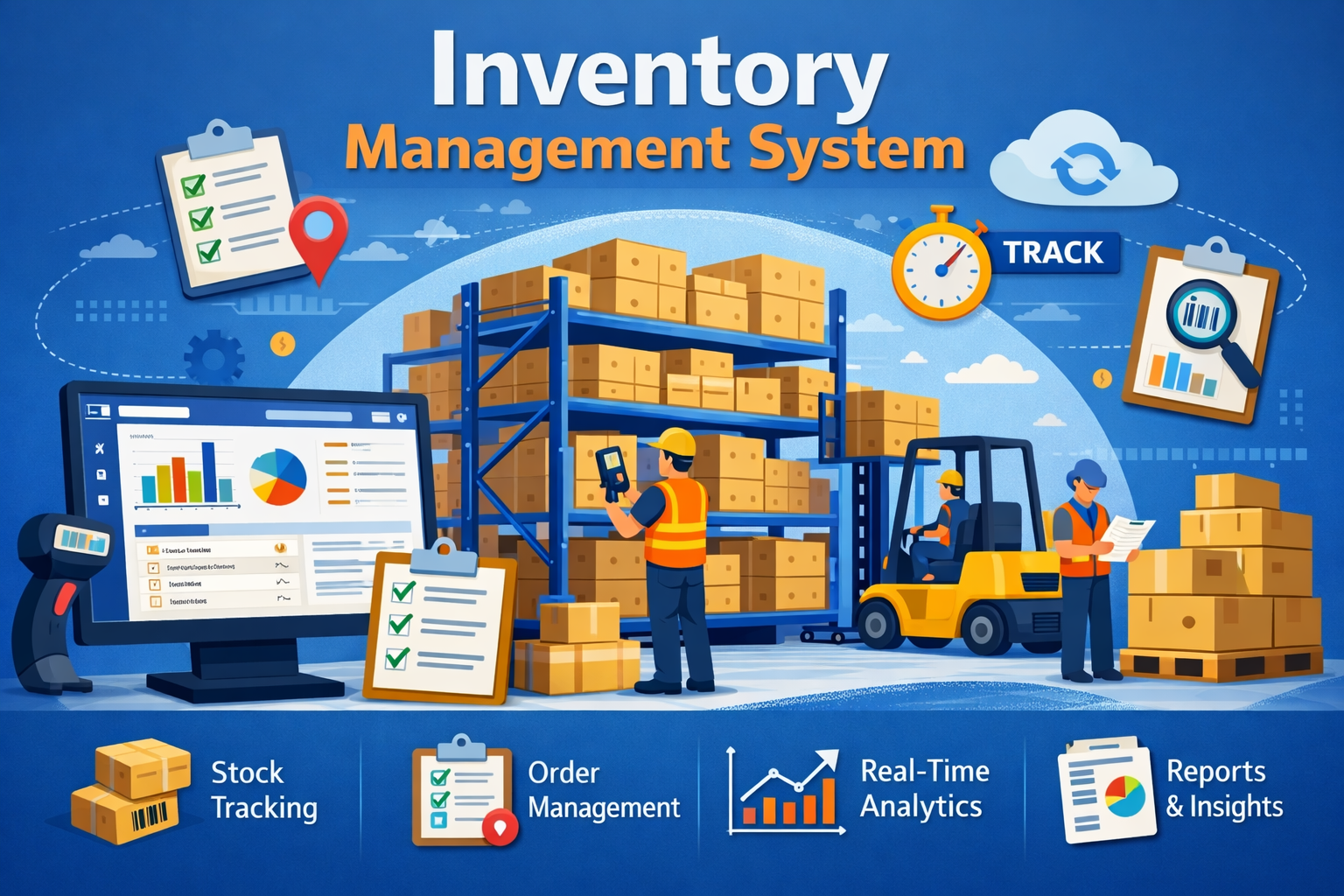
Running a successful Shopify store today is no longer just about offering great products or having an attractive storefront. As ecommerce competition increases and customer expectations rise, operational efficiency plays a major role in long-term success. One of the biggest operational challenges Shopify sellers face as they grow is managing inventory accurately and efficiently. This is where a robust inventory management system becomes essential for sustainable growth and customer satisfaction.
Without proper inventory control, Shopify sellers are exposed to serious risks such as overselling products, running out of stock unexpectedly, delayed order fulfillment, and dissatisfied customers. These issues not only affect daily operations but also damage brand reputation, customer trust, and overall profitability. As sales volume increases, inventory mistakes become more frequent and costly if not managed with the right tools.

The Growing Challenges of Shopify Inventory Management
Shopify sellers today often operate across multiple sales channels, warehouses, and fulfillment partners. Many businesses start by managing stock using spreadsheets or manual updates, but this approach quickly becomes unreliable as order volume grows. This is why many merchants struggle without a dedicated shopify inventory management solution in place.
Some of the most common inventory challenges include inventory mismatches between Shopify and warehouse systems, difficulty tracking stock across multiple locations, and poor visibility into fast-moving or slow-moving products. Manual inventory updates are also time-consuming and prone to human error, especially during peak sales periods or promotional campaigns.
As a business scales, these challenges grow exponentially. What once worked for a small store can become a major bottleneck, leading to missed sales opportunities and operational chaos. Shopify sellers need a system that grows with them, not one that slows them down.
How an Inventory Management System Solves These Problems
A modern inventory management system centralizes all inventory data into one real-time dashboard, giving sellers complete visibility into their stock at any moment. Instead of constantly reacting to inventory issues, merchants gain proactive control over purchasing, fulfillment, and planning.
Key benefits include real-time stock synchronization across all sales channels, automatic inventory updates after every sale, and a reduced risk of overselling or backorders. Orders are fulfilled faster and more accurately because inventory data is always up to date.
This level of automation eliminates manual processes that consume time and introduce errors. Shopify sellers can focus on growing their business, improving marketing strategies, and enhancing customer experience instead of constantly firefighting inventory problems.
Why Shopify Inventory Management Is Critical for Scaling Stores
As order volume increases, Shopify’s built-in inventory tools may no longer be sufficient. Advanced shopify inventory management allows sellers to manage complex operations such as product bundles, kits, multiple warehouses, and third-party logistics providers (3PLs) without manual intervention.
With the right system in place, sellers can intelligently route orders based on inventory availability, shipping location, or fulfillment rules. They can track inventory by location, forecast demand more accurately, and prepare for seasonal spikes or promotions without inventory disruptions.
This ensures a smooth customer experience even during high-demand periods like holiday sales, flash promotions, or product launches. Reliable inventory management becomes a competitive advantage rather than a limitation.
Improving Accuracy and Profitability with an Inventory Management System
Inventory errors directly impact profitability. Excess inventory ties up working capital, increases storage costs, and raises the risk of dead stock. On the other hand, stockouts lead to missed sales, unhappy customers, and lost repeat business.
A reliable inventory management system helps Shopify sellers strike the right balance by providing actionable insights into stock levels, sales velocity, and replenishment timing. Sellers can make informed purchasing decisions based on real data rather than guesswork.
By reducing human error and improving inventory accuracy, Shopify sellers can significantly improve margins, optimize cash flow, and run leaner, more efficient operations.
Choosing the Right Shopify Inventory Management Solution
Not all inventory tools are created equal. When selecting a shopify inventory management solution, sellers should prioritize seamless integration with Shopify, support for multiple warehouses and sales channels, and automation for purchase orders and fulfillment workflows.
Scalability is also critical. The right system should support business growth without requiring constant upgrades or complex workarounds. A strong inventory platform becomes the operational backbone of a successful Shopify store, supporting expansion rather than limiting it.

Final Thoughts
In today’s competitive ecommerce landscape, inventory control is no longer optional, it is essential. A powerful inventory management system gives Shopify sellers the visibility, automation, and scalability they need to grow with confidence.
By investing in advanced inventory tools early, sellers can avoid costly mistakes, improve customer satisfaction, and build a resilient ecommerce operation designed for long-term success. For Shopify sellers looking to scale efficiently, inventory management is not just a back-end function it is a strategic advantage.
Filed under